Avoid Tobacco
Tobacco use is a major risk factor for many types of cancer. If you smoke, seek resources to help you quit.
 The Ball
Guys, don't drop the ball on this one. Healthy habits can help reduce cancer risks. Be proactive, and check yourself regularly!
Explore the checklist
Healthy habits, open conversations, and making time for your health.
Tobacco use is a major risk factor for many types of cancer. If you smoke, seek resources to help you quit.
Use sunscreen, wear protective clothing, and avoid tanning beds to reduce the risk of skin cancer.
Be aware of your family history regarding cancer. If you have relatives who had any forms of cancer, discuss your risk with your doctor.

Regular check-ups can help monitor any related issues.
Regular visits to your healthcare provider can help identify potential health issues before they develop into something more serious.

Understand the symptoms of male cancers and other cancers so you can seek medical advice promptly if you notice any changes.
Chronic stress can affect your overall health. Practice stress-reduction techniques such as mindfulness, meditation, or yoga.

Participate in or support local and national cancer awareness campaigns to promote education and research.
Seven steps from the club’s existing self-examination guide.
Know the signsClean your hands thoroughly before starting the examination.
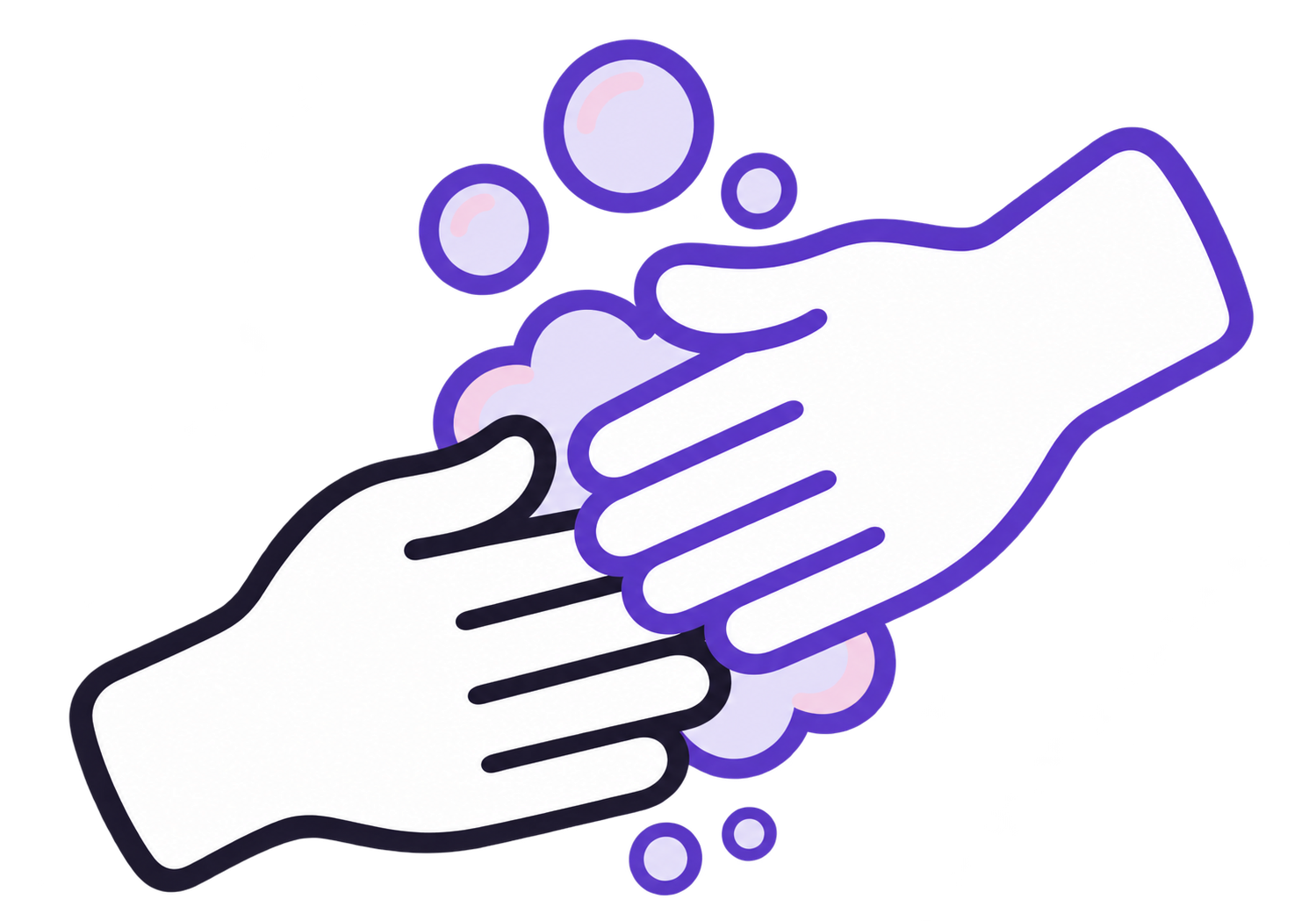
Perform the exam after a warm shower or bath when your scrotum is relaxed.
Gently hold one testicle with both hands. Roll it between your thumb and fingers to feel for lumps or abnormalities.
Feel for any lumps, bumps, or hard areas. The testicle should feel smooth and firm but not hard or painful.
Check the back of the testicle for a small, soft, tube-like structure (epididymis), which stores sperm. It may feel like a bump, which is normal.
Gently feel along the spermatic cord (above the testicle) for any unusual thickening or lumps.
Perform the self-exam once a month. Compare both testicles, and monitor any changes over time.
Use these simplified visuals alongside the written steps. If you notice a change, contact a healthcare professional.
Read the NHS self-check guideIf you notice a change, contact a healthcare professional. This information does not replace medical advice.
Read Canadian Cancer Society guidance